
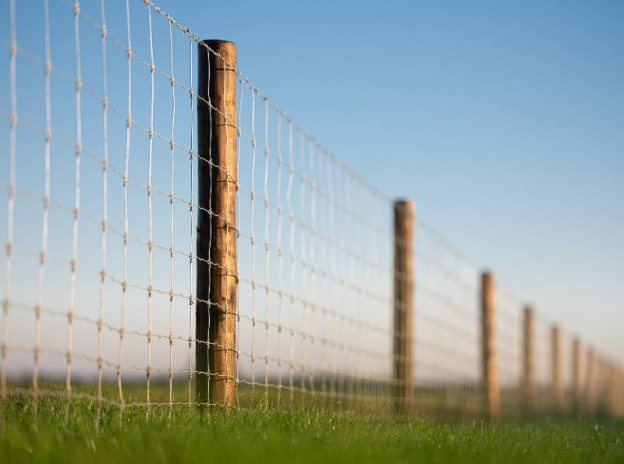

Fencing is an essential part of managing a farm. It not only protects your livestock and crops but also defines property boundaries and improves farm safety. Choosing the right agricultural fencing supplies can make a big difference in the efficiency and durability of your farm operations. With many options available, it is important to understand what factors to consider before making a purchase. This guide will help you make an informed decision and select the best fencing supplies for your needs.
Understanding Your Fencing Needs
Before buying any agricultural fencing supplies, it is important to clearly understand what you need the fence to do. Are you trying to keep livestock contained, protect crops from wildlife, or simply mark property lines? Different purposes require different types of fencing materials and designs. Knowing your goals will help narrow down the options and ensure that the fence you choose performs as required for years to come.
Choosing the Right Material
Agricultural fencing supplies come in a variety of materials, including wood, wire, vinyl, and metal. Wooden fences offer a classic look and are strong but may require more maintenance over time. Wire fences, such as barbed wire or woven wire, are durable and cost-effective for keeping animals in. Metal or vinyl options are long-lasting and often resistant to weather, but they may have a higher initial cost. Considering your farm’s environment, the animals you keep, and your budget will guide you to the right material choice.
Considering Fence Height and Design
The height and design of your fence are also important factors when choosing agricultural fencing supplies. Certain livestock, like horses or cattle, require taller fences to prevent them from jumping or escaping. Smaller animals, such as sheep or goats, may need fences with closer spacing between wires or panels. The design can also affect the durability and safety of the fence, so it is important to match the structure to your specific needs.
Evaluating Durability and Maintenance
Durability is a key aspect when selecting agricultural fencing supplies. Fences are exposed to harsh weather, livestock pressure, and sometimes wildlife, so choosing materials that are strong and long-lasting is essential. Additionally, consider how much maintenance you are willing to perform. Some fences may need regular painting or repairs, while others, like treated metal or vinyl, require minimal upkeep. Balancing durability and maintenance will help save time and costs in the long run.
Planning for Installation
Proper installation is crucial to ensure your fence performs well. Some fencing supplies are easier to install than others. Prefabricated panels, for example, can save time but might be more expensive. On the other hand, installing wire or post fences yourself can be cost-effective but may take more time and effort. Planning ahead for installation will help you choose supplies that match your capabilities and budget.
Budget Considerations
Cost is always an important factor in choosing agricultural fencing supplies. It is important to find a balance between quality and affordability. Cheaper materials may save money upfront but could require more frequent repairs or replacements. Investing in durable and reliable fencing can provide long-term savings and peace of mind. Take the time to compare prices and consider the overall value of the materials you choose.
Additional Features and Accessories
Some agricultural fencing supplies come with additional features that can improve functionality. Electric fencing, for example, can provide extra security for livestock. Gates, posts, and connectors are essential for creating a complete fencing system. Evaluating these extras can help you make a more comprehensive and effective fencing plan for your farm.
Conclusion
Choosing the right agricultural fencing supplies is essential for protecting your farm, livestock, and crops. By understanding your fencing needs, selecting the right materials, considering durability and maintenance, and planning for installation, you can make an informed decision that saves time, effort, and money. Taking these factors into account will ensure that your farm fencing is strong, reliable, and effective for years to come, providing peace of mind and improved farm management.