
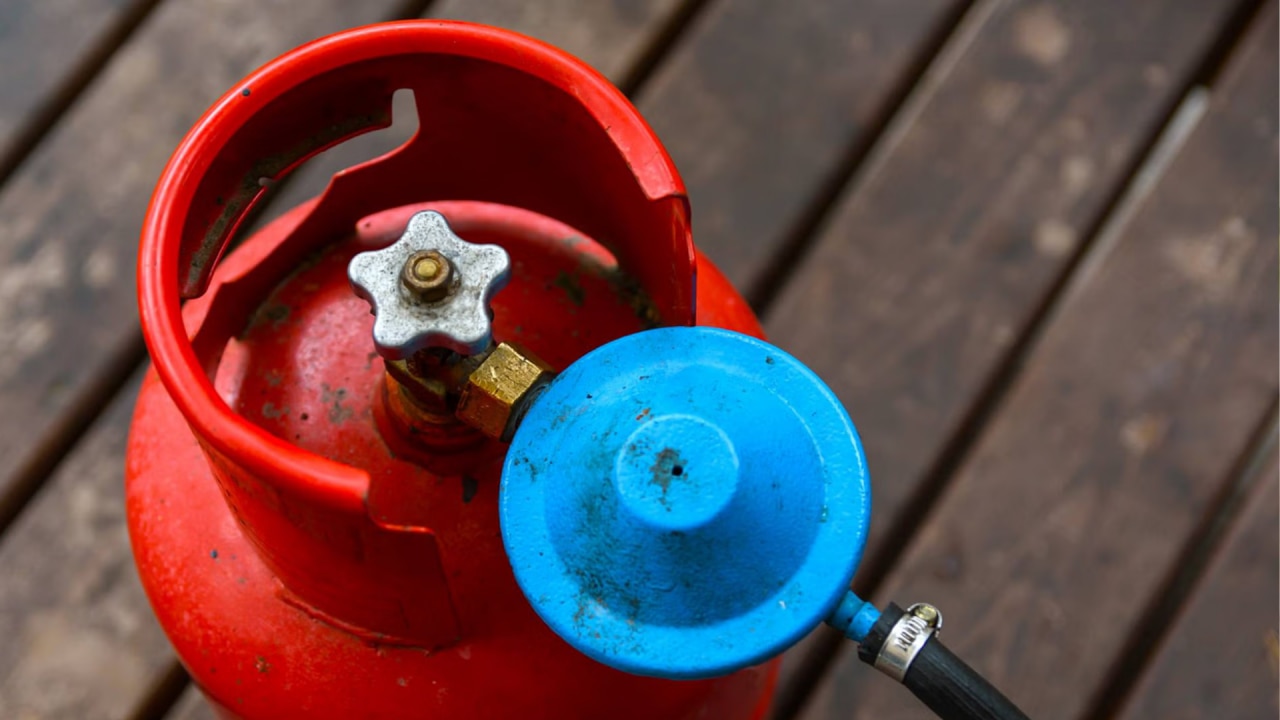

The LPG full form is Liquefied Petroleum Gas, a fuel that has become essential in modern households and industries. It is widely used across the world because it provides a reliable, efficient, and convenient source of energy. In many countries, LPG is the primary fuel used for cooking, while industries depend on it for heating and manufacturing processes.
LPG is created during the refining of crude oil and the processing of natural gas. The fuel is stored in liquid form inside pressurized containers such as cylinders and tanks. When released, the liquid quickly turns into gas, which can then be used for various applications. This property makes LPG easy to transport and store, even in remote areas where pipeline gas may not be available.
The growing demand for cleaner energy sources has increased the popularity of LPG in recent years. Many governments encourage households to switch from traditional fuels like wood or coal to LPG because it produces fewer harmful emissions. Understanding the LPG full form and its uses helps explain why this fuel plays such an important role in everyday life.
What Does LPG Mean?
The LPG full form stands for Liquefied Petroleum Gas, which is a combination of hydrocarbon gases mainly consisting of propane and butane. These gases are naturally found during the extraction of crude oil and natural gas. Through refining and processing, they are separated and converted into LPG.
One of the key characteristics of LPG is that it becomes liquid when stored under moderate pressure. This allows large quantities of gas to be stored in a compact container. When the valve of a cylinder is opened, the pressure is released and the liquid quickly changes back into gas.
Another important aspect of LPG is safety. In its pure form, LPG has no color or smell. To help detect leaks, manufacturers add a strong odor to the gas so users can quickly recognize if a leak occurs. This safety measure makes LPG easier to monitor during everyday use.
Because of its efficiency and convenience, the LPG full form has become a commonly recognized term worldwide, especially in households where LPG cylinders are used for cooking daily.
Production Process of LPG
The production of LPG involves two major processes: crude oil refining and natural gas processing. Both methods contribute to the global supply of LPG that is used in homes, industries, and commercial establishments.
During crude oil refining, oil is heated in large distillation towers. Different components separate at different temperatures. Propane and butane gases are collected during this process and then processed to create LPG.
In natural gas processing plants, propane and butane are separated from raw natural gas extracted from underground reservoirs. These gases are then compressed into liquid form and stored in tanks or cylinders.
Once produced, LPG is transported through tankers, pipelines, and cylinders to distribution centers. From there, it is delivered to households, businesses, and industrial facilities. The efficiency of this production and distribution system ensures that LPG remains widely available across the world.
Because of this global supply chain, the LPG full form represents not only a fuel but also an important component of the global energy industry.
Household Uses of LPG
One of the most common associations with the LPG full form is household cooking gas. Millions of families rely on LPG every day to prepare meals because it provides a steady and controllable flame. Compared to traditional fuels such as firewood or charcoal, LPG burns more efficiently and produces less smoke.
In addition to cooking, LPG is also used in homes for water heating and space heating. Some households use LPG-powered heaters and appliances to maintain comfortable indoor temperatures during colder months.
Another advantage of LPG in homes is convenience. Gas cylinders can be easily replaced when empty, ensuring a continuous supply of fuel. Many modern kitchens are designed specifically for LPG stoves and appliances.
The shift toward LPG in households has improved living conditions for many people. Reduced indoor smoke helps protect respiratory health, especially for women and children who spend more time in the kitchen. Because of these benefits, the LPG full form is strongly linked with safer and more efficient home energy solutions.
Industrial and Commercial Applications
Beyond household use, LPG plays an important role in commercial and industrial sectors. Many businesses rely on LPG because it offers a consistent and high-energy flame that is suitable for various processes.
Restaurants and food service businesses often use large LPG cylinders or tanks for cooking. The fuel allows chefs to control heat levels precisely, which is essential for preparing many types of dishes.
In industries, LPG is used for metal cutting, glass production, ceramics manufacturing, and other heating processes. It is also used in agriculture for crop drying and pest control treatments.
The LPG full form is therefore closely connected with industrial productivity. Its reliability and efficiency make it a valuable energy source in sectors where precise heat control is required.
Additionally, LPG is used as an alternative vehicle fuel in many countries. Known as Auto LPG, it is used in cars and taxis because it produces fewer emissions compared to petrol or diesel.
Advantages of LPG as a Fuel
The widespread use of LPG can be explained by its many advantages. One of the main benefits is its high energy efficiency. LPG produces a strong flame and delivers a high amount of heat, making it ideal for cooking and heating applications.
Another major advantage is its environmental impact. LPG burns more cleanly than coal, wood, or diesel. It produces lower levels of carbon dioxide and almost no soot, which helps reduce air pollution.
The portability of LPG also makes it a convenient fuel. Since it is stored in cylinders, it can be transported easily to areas where pipeline gas infrastructure is not available.
Safety features further enhance the reliability of LPG. The addition of odor to the gas helps users detect leaks quickly, and modern cylinders are designed to withstand high pressure.
Because of these benefits, the LPG full form has become associated with an efficient and dependable energy source used by millions of people worldwide.
Safety Measures When Using LPG
While LPG is generally safe, it is important to follow certain safety precautions to prevent accidents. Proper handling and maintenance of LPG cylinders ensure safe daily use in homes and businesses.
The LPG full form refers to a pressurized fuel, which means cylinders must be handled carefully. Cylinders should always be placed upright and kept in a well-ventilated area. This allows gas to disperse safely in case of a minor leak.
Regular inspection of hoses, regulators, and valves is also important. Damaged or worn-out parts should be replaced immediately to avoid gas leakage. Users should also avoid storing LPG cylinders near open flames or heat sources.
In case a gas smell is detected, the cylinder valve should be turned off immediately. Doors and windows should be opened to allow ventilation, and electrical switches should not be used until the gas has cleared.
Following these precautions helps ensure that LPG remains a safe and efficient energy source for everyday use.
Conclusion
The LPG full form, Liquefied Petroleum Gas, represents a versatile and widely used fuel that plays a significant role in modern life. From household cooking to industrial applications, LPG provides a reliable and efficient source of energy for millions of people.
Read More:- LPG Explained: Benefits, Uses, and Importance of This Clean Fuel