

Introduction
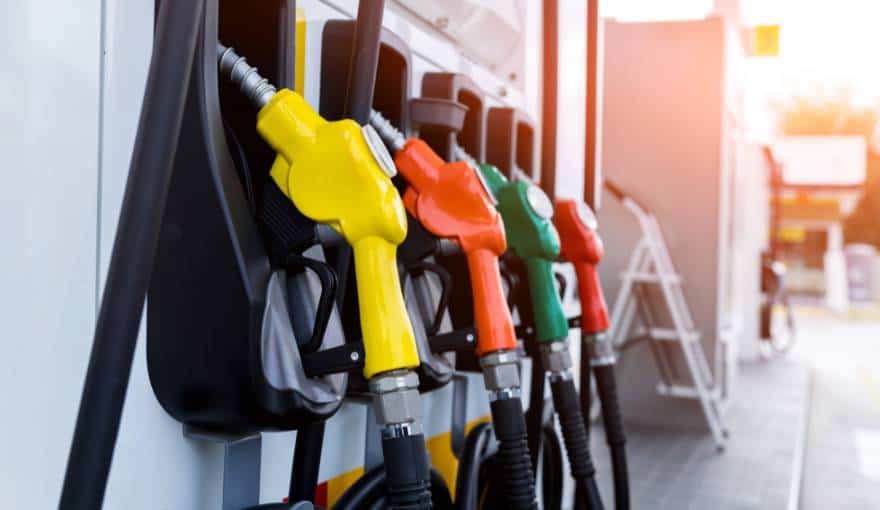
Petrol pumps have become an essential part of modern life, serving millions of vehicles daily. Whether you are driving a car, a bike, or even a commercial vehicle, a petrol pump is where your journey begins. Over the years, the petrol pump industry has evolved drastically, offering not just fuel but also a variety of services to make refueling convenient and fast. In this guide, we will cover everything you need to know about petrol pumps, including types, services, prices, technology, safety measures, and tips to choose the right petrol pump.
What is a Petrol Pump?
A petrol pump is a service station where fuel such as petrol, diesel, CNG, or LPG is sold to vehicles. Modern petrol pumps also offer amenities such as air for tires, convenience stores, car wash facilities, and even cafes. Petrol pumps operate under strict government regulations to ensure the quality of fuel and the safety of both customers and staff.
Types of Petrol Pumps
Petrol pumps today are categorized based on the services they provide and their ownership structure. Here are the main types:
-
Company-Owned Petrol Pumps
These are owned and operated by major oil companies such as Indian Oil, Bharat Petroleum, and Hindustan Petroleum. The fuel quality and price are strictly regulated. -
Franchise or Dealer-Owned Petrol Pumps
Individual entrepreneurs run these pumps under the license of an oil company. They follow the company’s rules but may offer additional local services. -
Automated Petrol Pumps
Automation is the future of fuel stations. Automated petrol pumps allow customers to pay digitally and refuel without human attendants, reducing waiting time. -
Highway Petrol Pumps
Located on highways, these pumps cater to long-distance travelers. They often provide more services, including rest areas, food courts, and mechanic shops.
Services Offered at Petrol Pumps
Today, petrol pumps are more than just a place to refuel. Some common services include:
| Service | Description | Availability |
|---|---|---|
| Petrol/Diesel | Standard fuel for vehicles | All petrol pumps |
| CNG/LPG | Alternative fuels for eco-friendly vehicles | Select petrol pumps |
| Car Wash | Manual or automatic cleaning services | Medium to large pumps |
| Tire Inflation | Air compressors for tire pressure | Most pumps |
| Convenience Store | Snacks, drinks, and essential items | High-traffic pumps |
| Mechanic Services | Minor vehicle repair and oil change | Some highway pumps |
These additional services make petrol pumps a one-stop solution for drivers, enhancing convenience and customer satisfaction.
Fuel Prices at Petrol Pumps
Fuel prices at petrol pumps fluctuate daily based on international crude oil rates, government taxes, and local transportation costs. Here’s an example table showing current average prices:
| Fuel Type | Average Price per Liter (INR) | Remarks |
|---|---|---|
| Petrol | 110–120 | Varies by city |
| Diesel | 100–110 | Lower tax in some states |
| CNG | 60–70 | Subsidized rates |
| LPG | 500–600 per cylinder | Used in vehicles and cooking |
Many petrol pumps now also display digital boards with updated prices, ensuring transparency for customers.
Technology in Petrol Pumps
Modern petrol pumps are incorporating technology to improve efficiency and safety. Some innovations include:
-
Digital Payment Systems: Most petrol pumps accept UPI, debit/credit cards, and mobile wallets.
-
Automatic Fuel Dispensers: Reduce manual errors and increase accuracy.
-
Mobile Apps: Some pumps provide loyalty programs, price alerts, and navigation assistance.
-
Environment-Friendly Measures: Rainwater harvesting, solar panels, and bio-diesel options are becoming common.
Choosing the Right Petrol Pump
Not all petrol pumps are created equal. Here are tips to select a reliable petrol pump:
-
Check Fuel Quality: Look for pumps with ISO certification or company ownership.
-
Observe Cleanliness: A clean environment usually reflects better management.
-
Customer Service: Friendly and knowledgeable staff make refueling easier.
-
Additional Services: Pumps with extra amenities can save time during long trips.
-
Location: Conveniently located pumps near highways or major roads reduce travel detours.
Safety Measures at Petrol Pumps
Safety is a top priority at petrol pumps due to the flammable nature of fuels. Standard safety measures include:
-
Fire extinguishers and sand buckets placed at strategic locations.
-
No-smoking signs and strict enforcement.
-
Proper storage of fuel in tanks and safe dispensing methods.
-
Trained staff for emergency handling.
By following these rules, petrol pumps ensure the safety of customers and staff alike.
Environmental Impact of Petrol Pumps
The operation of petrol pumps can have environmental consequences if not managed properly. Modern pumps are adopting eco-friendly solutions:
-
Leak-proof tanks to prevent soil contamination.
-
CNG and LPG for cleaner emissions.
-
Solar-powered lighting to reduce electricity consumption.
-
Waste management systems for safe disposal of oil and plastics.
Environmental consciousness is now an important factor when choosing a petrol pump for regular use.
Petrol Pump Franchise Opportunities
Opening a petrol pump franchise is a profitable business venture. The key requirements include:
-
A minimum land area, usually 2,500–5,000 square meters.
-
Compliance with company and government regulations.
-
Initial investment for land, equipment, and license.
-
Proper staff training for fuel handling and customer service.
Franchise owners benefit from brand recognition, steady fuel supply, and operational guidance from the parent company.
Digital Snippets and Tips
“Did you know? The first petrol pump in India started in the 1920s, marking the beginning of modern refueling infrastructure.”
“Tip: Always check the fuel receipt for liters dispensed to avoid discrepancies at petrol pumps.”
“Fun fact: Highway petrol pumps often offer free Wi-Fi to attract long-distance travelers.”
Common Misconceptions About Petrol Pumps
-
Misconception 1: Fuel quality is the same everywhere – False. Quality varies with storage and handling.
-
Misconception 2: Petrol pumps are only for refueling – False. Many pumps offer car maintenance and convenience stores.
-
Misconception 3: Prices are fixed – False. Fuel prices change daily based on taxes and global rates.
Understanding these misconceptions helps customers make better decisions.
Future Trends in Petrol Pumps
The petrol pump industry is evolving to meet modern demands:
-
Electric Vehicle (EV) Charging Stations: Many pumps are adding EV chargers.
-
AI-Powered Fuel Management: Predictive algorithms to manage stock efficiently.
-
Self-Service Kiosks: Fully automated refueling experience.
-
Subscription Models: Prepaid fuel plans for regular commuters.
By 2030, petrol pumps may transform into multi-utility hubs catering to electric and traditional vehicles alike.
Conclusion
A petrol pump today is more than just a refueling spot. It represents a combination of convenience, technology, safety, and business opportunities. Whether you are a daily commuter, a long-distance traveler, or a business entrepreneur, understanding petrol pumps helps you make informed decisions. From fuel prices and types to additional services and safety measures, every aspect of a petrol pump contributes to a smooth and efficient driving experience.
By keeping abreast of innovations and choosing the right pump, customers and business owners alike can maximize benefits in the ever-evolving fuel industry.
Read More:- Princess Kate Latest News Today — Full Update on Royal Activities, Health, Appearances & Public Response