
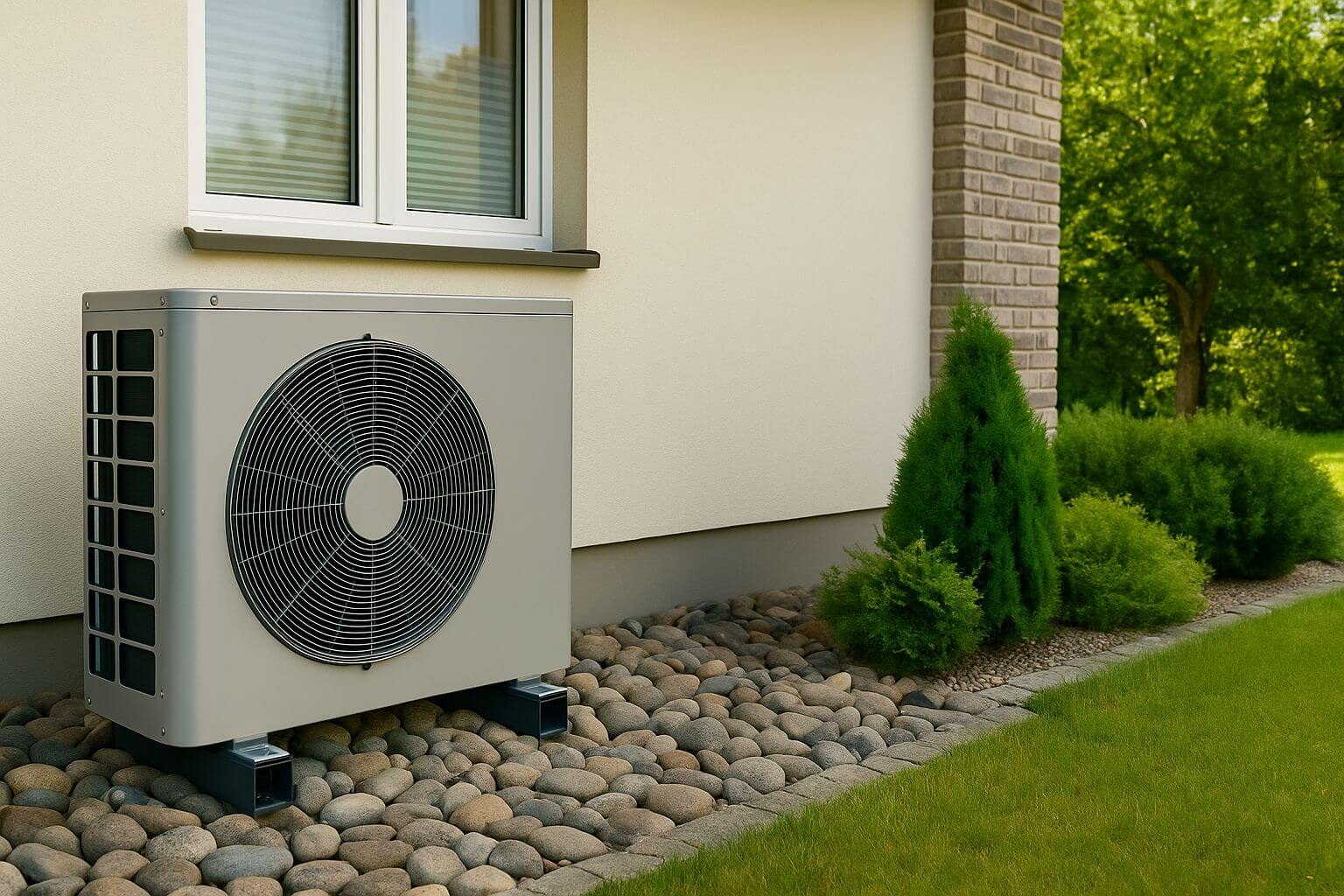

Heating your home shouldn’t feel like a financial burden every winter. With rising energy costs and growing awareness around sustainability, homeowners are looking for smarter ways to stay warm without overspending. One of the most effective solutions today is switching to energy efficient heat pumps, which provide consistent comfort while using significantly less energy than traditional systems. By understanding your options and making informed upgrades, you can enjoy reliable warmth while keeping your energy bills under control.
Why Modern Heating Systems Matter
Outdated heating systems often operate at low efficiency levels, wasting energy and increasing monthly costs. Traditional furnaces and baseboard heaters tend to consume more fuel or electricity to maintain comfortable indoor temperatures, especially during extreme weather.
Modern HVAC systems are designed to deliver better performance with less energy. Technologies such as variable-speed compressors, smart thermostats, and zoning capabilities allow homeowners to optimize heating output based on actual demand. This not only reduces energy waste but also improves indoor air quality and overall comfort.
Upgrading your heating system is no longer just about staying warm—it’s about creating a cost-effective and sustainable living environment.
Understanding High-Efficiency Heating Options
Heat Pumps: A Versatile Solution
Heat pumps are widely regarded as one of the most efficient heating solutions available today. Instead of generating heat, they transfer it from one place to another, making them far more energy-efficient than conventional systems.
They work effectively in both heating and cooling modes, providing year-round climate control. Modern cold-climate heat pumps are designed to perform even in lower temperatures, making them suitable for a wide range of regions.
High-Efficiency Furnaces
For homes in colder climates, high-efficiency furnaces remain a strong option. These systems use advanced combustion technology to extract more heat from fuel, achieving efficiency ratings of up to 98%.
They are particularly effective when paired with proper insulation and sealed ductwork, ensuring minimal heat loss throughout the home.
Radiant Heating Systems
Radiant floor heating offers a different approach by warming surfaces instead of air. This method provides even heat distribution and eliminates cold spots, improving comfort while reducing energy consumption.
Although installation costs can be higher, radiant systems often deliver long-term savings and enhanced comfort.
The Role of Smart Technology in Energy Savings
Heating efficiency is not just about the system itself—it also depends on how it is controlled. Smart thermostats and automation systems play a key role in reducing energy usage.
These devices learn your daily habits and adjust temperatures accordingly. For example, they can lower heating output when you’re away and restore comfort before you return. This level of control minimizes unnecessary energy consumption without sacrificing convenience.
In addition, zoning systems allow you to heat specific areas of your home rather than the entire space, further improving efficiency.
Key Benefits of Energy-Efficient Heating Systems
Choosing the right heating system can transform both your comfort and your budget. Here are some of the most important advantages:
- Lower monthly energy bills through reduced energy consumption
- Consistent indoor temperatures without sudden fluctuations
- Improved indoor air quality with advanced filtration systems
- Reduced environmental impact due to lower carbon emissions
- Increased home value and long-term investment potential
These benefits make energy-efficient heating systems a practical choice for both immediate savings and future sustainability.
Maintenance: The Hidden Factor in Efficiency
Even the most advanced heating system requires regular maintenance to perform at its best. Neglecting routine servicing can lead to reduced efficiency, higher energy costs, and unexpected breakdowns.
Scheduling annual HVAC inspections ensures that components are clean, filters are replaced, and airflow remains unobstructed. Simple tasks such as sealing air leaks, cleaning ducts, and checking insulation can significantly improve system performance.
When properly maintained, systems like energy efficient heat pumps continue to operate at peak efficiency, delivering consistent comfort while keeping operating costs low.
How to Choose the Right Heating System
Selecting the best heating system depends on several factors, including your home’s size, climate, insulation, and budget. A professional energy assessment can help identify the most suitable option for your needs.
Homes with good insulation may benefit more from heat pumps, while properties in colder regions might require a hybrid system that combines a heat pump with a furnace. Understanding your specific requirements ensures that you invest in a system that delivers maximum efficiency.
It’s also important to consider long-term operating costs rather than just upfront installation expenses. Energy-efficient systems often pay for themselves over time through reduced utility bills.
Future Trends in Home Heating
The future of home heating is focused on sustainability and smart integration. Advances in renewable energy, such as solar-powered heating systems, are becoming more accessible to homeowners.
Additionally, innovations in HVAC technology continue to improve system efficiency and adaptability. From AI-driven climate control to improved heat exchange mechanisms, modern systems are evolving to meet both environmental and economic demands.
These trends highlight the importance of investing in forward-thinking solutions that align with long-term energy goals.
Conclusion
Efficient home heating is no longer a luxury—it’s a necessity for managing energy costs and maintaining year-round comfort. By upgrading to modern systems, integrating smart technology, and prioritizing regular maintenance, homeowners can significantly reduce their energy bills without compromising on warmth.
Whether you’re considering heat pumps, high-efficiency furnaces, or radiant systems, the key is choosing a solution tailored to your home’s needs. With the right approach, you can create a comfortable, energy-efficient living space that benefits both your budget and the environment.