
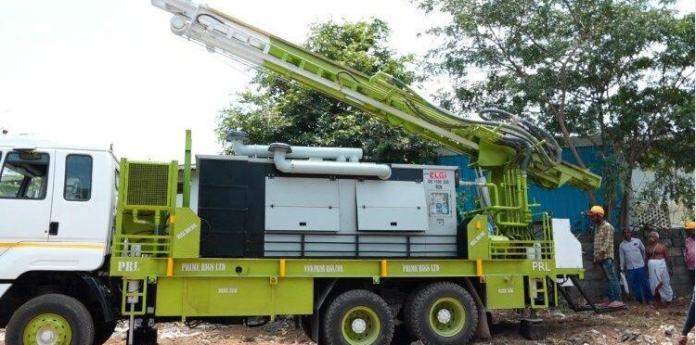

Groundwater is a critical resource for agricultural, industrial, and municipal needs. Accessing it efficiently requires reliable and advanced drilling technology. The emergence of modern borewell rig machines has transformed the way water is extracted, enabling deeper wells, faster operations, and reduced operational costs. These rigs combine precision engineering, hydraulic advancements, and digital monitoring systems to provide consistent performance even in challenging geological conditions. By integrating advanced drilling technology, organizations can ensure efficient groundwater access while optimizing time, energy, and budget resources.
1. Enhanced Precision and Accuracy
Modern drilling technology allows for precise control over drilling depth, alignment, and borehole diameter. Accurate drilling reduces the risk of structural instability and ensures that water sources are tapped efficiently.
- Depth control systems: Advanced rigs feature automated depth monitoring systems that constantly measure and adjust drilling depth in real time. This ensures that the borehole reaches the water table accurately without the need for manual recalibration. Accurate depth control minimizes errors and enhances safety by reducing the chances of equipment strain or misalignment.
- Alignment accuracy: Precision engineering allows operators to maintain perfect vertical or inclined drilling paths, which is essential for consistent water flow and structural stability. Misaligned boreholes can result in uneven water extraction or even equipment damage. Modern rigs use digital guidance to guarantee that alignment is maintained throughout the drilling process.
- Optimized diameter: The ability to adjust the drill head ensures that the borehole diameter matches project requirements, preventing over-excavation and conserving resources. Accurate diameter control also reduces the cost of casing and lining materials, making projects more cost-efficient.
2. Faster Drilling Operations
Time efficiency is a crucial factor in groundwater projects. Modern rigs are designed with high-capacity engines, hydraulic systems, and automated features to accelerate drilling without compromising quality.
- High-performance engines: Modern rigs utilize powerful engines that can handle different soil types and resist clogging or stalling during operation. This reduces downtime and ensures faster penetration through both soft and hard layers of soil and rock. Efficient engines also reduce the likelihood of mechanical failures during critical stages of drilling.
- Hydraulic automation: Hydraulic systems manage torque and drilling pressure automatically, reducing the need for manual adjustments. This automation not only speeds up the drilling process but also improves consistency, ensuring uniform progress throughout the borehole.
- Consistent operation: Automated controls maintain steady drilling speeds, preventing sudden slowdowns or accelerations that could damage equipment. The uniform operation ensures efficient water access and minimizes wear and tear on critical components, enhancing rig longevity.
3. Safety and Risk Management
Groundwater drilling can involve unpredictable soil conditions and operational hazards. Modern technology incorporates advanced safety systems to protect operators and equipment.
- Stability sensors: Modern rigs come with sensors that detect excessive vibration, tilting, or irregular movement. These sensors provide real-time alerts to operators, helping them prevent potential rig tipping or equipment damage. Early detection of instability reduces the risk of costly accidents.
- Emergency shutdown: Advanced rigs feature automated emergency shutdown systems that immediately stop operations in unsafe conditions. This is especially important when unexpected obstacles like rocks or underground obstructions are encountered. Emergency shutdown capabilities protect both the rig and the personnel on-site.
- Operator monitoring: Digital dashboards provide real-time data on engine performance, drilling pressure, and torque levels. This allows operators to make informed decisions quickly and reduces the likelihood of errors caused by manual monitoring or delayed reactions.
4. Energy Efficiency and Cost Reduction
Modern rigs are engineered to minimize energy consumption while maintaining high performance, resulting in lower operational costs.
- Fuel-efficient engines: Rigs now include engines designed to deliver maximum output with minimum fuel consumption. Lower fuel usage not only reduces operational costs but also minimizes environmental impact. These engines are capable of working for longer periods without frequent refueling, which is crucial for remote drilling locations.
- Hydraulic optimization: Advanced hydraulic systems provide precise control over torque and pressure, which reduces energy wastage. Efficient hydraulics also reduce mechanical strain on the rig, extending its lifespan and lowering maintenance needs.
- Lower maintenance costs: Modern rigs use high-quality, durable components that require less frequent servicing. Predictive monitoring allows operators to identify parts that may need attention before failure occurs, further cutting repair costs and preventing project delays.
5. Versatility Across Geological Conditions
Drilling projects encounter diverse soil types and water table depths. Modern rigs are adaptable to handle varied terrains and ensure effective groundwater access.
- Interchangeable drill heads: The ability to switch drill heads allows rigs to efficiently tackle soft clay, rocky terrain, and hard strata. Customizing drill heads ensures optimal penetration rates while minimizing wear on equipment. This versatility allows operators to work in multiple geological conditions without the need for additional rigs.
- Multi-functional rigs: Modern rigs can perform rotary, core, and mud rotary drilling techniques as needed. This flexibility ensures that different types of boreholes can be drilled using the same rig, saving costs and reducing logistical challenges.
- Adaptable drilling speeds: Operators can fine-tune speed and torque to match soil conditions, preventing equipment overload and ensuring smooth progress. This adaptability reduces the risk of stalled operations or borehole collapse, maintaining project efficiency.
6. Data-Driven Decision Making
Integration of sensors and digital monitoring in modern rigs provides real-time data that aids in operational decisions and planning.
- Borehole mapping: Sensors record depth, soil type, and water yield, providing precise documentation for regulatory compliance and future planning. Detailed borehole mapping allows engineers to predict performance and optimize water extraction.
- Predictive maintenance: Real-time monitoring helps schedule maintenance before failures occur, reducing downtime and costs. Predictive maintenance ensures rigs remain operational and reliable throughout extended projects.
- Operational analytics: Historical drilling data can be analyzed to improve efficiency, identify bottlenecks, and refine operational strategies. Data-driven decisions lead to higher productivity and reduced resource waste.
Conclusion
Modern drilling technology has significantly enhanced groundwater access by improving precision, speed, safety, and cost-efficiency. Advanced rigs allow reliable water extraction across various terrains while reducing operational costs and environmental impact. Organizations can achieve high-quality results without overspending by choosing well-maintained or refurbished equipment. Companies like Prime Rigs provide durable, efficient rigs designed to meet global standards, supporting smooth and successful groundwater projects while ensuring long-term reliability.