
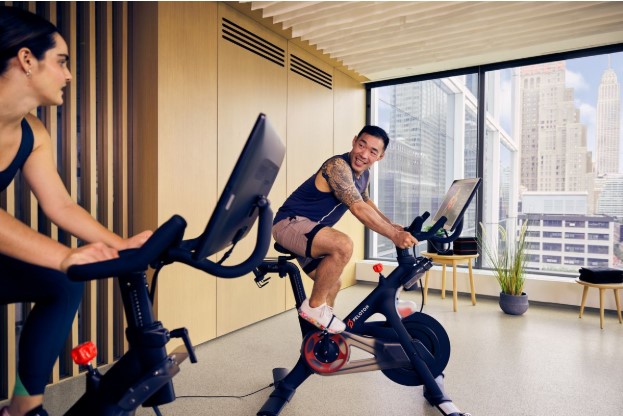

Indoor cycling has become one of the most effective ways to combine cardio, strength, and stamina training in a controlled environment. Unlike outdoor cycling, indoor sessions allow you to focus on technique, resistance, and pace without worrying about traffic, weather, or uneven terrain. It’s perfect for people looking to burn calories efficiently while building endurance. With the right approach, indoor cycling can transform your fitness routine.
Understanding Indoor Cycling Basics
Indoor cycling, often done on stationary bikes, focuses on controlled resistance and rhythm. Beginners should start by familiarizing themselves with the bike settings. Adjusting seat height, handlebar position, and resistance ensures comfort and safety. Proper form keeps you injury-free while maximizing calorie burn. Paying attention to posture and pedal technique forms the foundation of all effective indoor cycling workouts.
Interval Training For Effective Indoor Cycling
Interval training is a key method in indoor cycling for weight loss and endurance. Short bursts of high-intensity pedaling followed by recovery periods push your heart rate up and stimulate metabolism. For example, sprinting for 30 seconds and then cycling slowly for a minute can drastically increase calorie burn. Consistently incorporating intervals into your indoor cycling routine helps improve cardiovascular endurance while accelerating fat loss.
Resistance Techniques To Build Strength
Adding resistance is crucial in indoor cycling to challenge muscles and enhance stamina. Increasing the bike’s resistance simulates uphill cycling, engaging your legs, glutes, and core. Gradually adjusting resistance levels during a session keeps muscles guessing and prevents plateaus. Incorporating these resistance techniques in indoor cycling sessions strengthens lower-body muscles and contributes to long-term endurance.
Cadence Control For Weight Loss And Performance
Cadence, or pedal speed, plays a major role in indoor cycling efficiency. Maintaining a steady cadence helps manage energy output and prevents early fatigue. Beginners can start at 60-80 revolutions per minute, while experienced cyclists may aim higher. Adjusting cadence alongside resistance ensures you target both aerobic and anaerobic systems. Mastering cadence control in indoor cycling can lead to improved endurance and faster calorie burn.
Posture And Form For Maximum Results
Proper posture during indoor cycling is often overlooked but essential. Keep your back straight, shoulders relaxed, and core engaged. Avoid slouching or leaning too heavily on handlebars. Correct form ensures even muscle engagement, reduces strain, and optimizes energy efficiency. Focusing on posture in every indoor cycling session contributes to both endurance development and effective weight loss.
Tracking Progress And Staying Motivated
Consistency is key for indoor cycling success. Use metrics like distance, resistance levels, or heart rate to track progress over time. Setting small goals, such as increasing session duration or adding more intervals, keeps workouts challenging and exciting. Many cyclists find motivation through group classes or online challenges. Regularly monitoring progress helps sustain long-term commitment and enhances the overall benefits of indoor cycling.
Conclusion
Indoor cycling is a versatile and efficient fitness tool for anyone aiming to lose weight and boost endurance. By mastering intervals, resistance, cadence, and posture, you can create a balanced and effective workout routine. Tracking progress and staying motivated ensures steady improvement and keeps sessions engaging. With the right techniques, indoor cycling becomes more than just a cardio exercise—it transforms into a holistic approach to fitness and well-being.