

The Race of Speed and Efficiency
Think of a full stack application as a relay race where each runner represents a layer—frontend, backend, database, and deployment pipeline. The baton is your data, passed between these runners with precision and timing. Any slip—whether in the form of latency, poor database queries, or bloated code—costs valuable seconds. In today’s digital world, where users expect instant results, performance optimisation is not a luxury but a competitive advantage.
The Frontend Sprint: Streamlining the First Impression
Performance begins where users interact first—the frontend. A fast, responsive interface can make or break user experience. Developers focus on reducing render-blocking scripts, compressing images, and implementing lazy loading to ensure pages load seamlessly. Frameworks like React, Angular, and Vue have made it easier to handle dynamic interfaces, but efficiency still lies in how code is structured. Minifying JavaScript and CSS, caching static assets, and reducing HTTP requests all contribute to shaving off milliseconds.
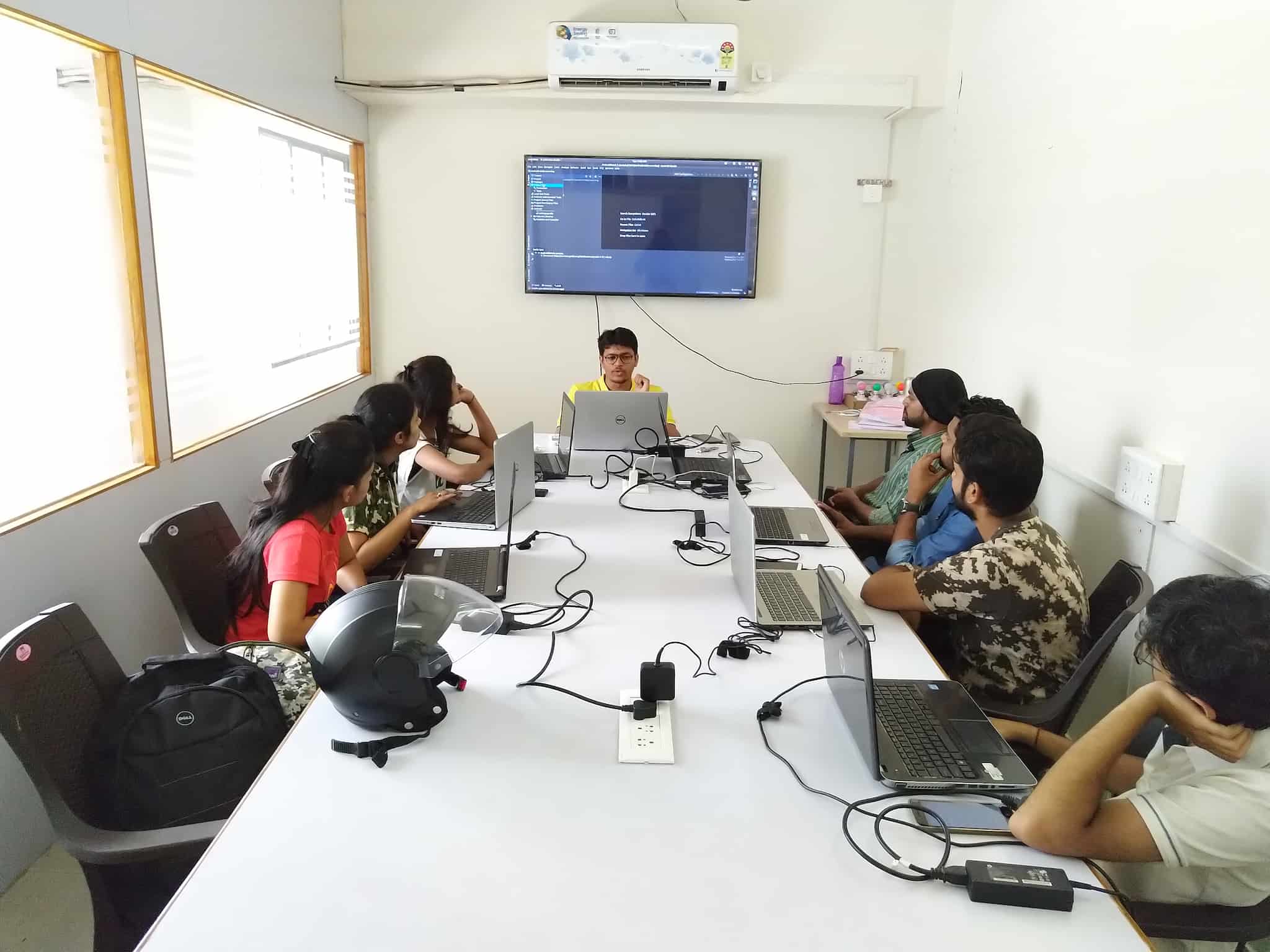
At this point, many developers undergoing full stack developer course in pune begin to realise that frontend optimisation is more than design; it’s about maintaining the rhythm of the race. A well-structured and optimised front end ensures users never feel the lag between click and response, setting the stage for the backend to carry the baton efficiently.
The Backend Marathon: Managing Requests and Resources
Behind every click lies a complex journey of requests, processing, and responses. Backend optimisation is about ensuring that the server logic is clean, scalable, and resource-efficient. One of the most effective strategies is implementing asynchronous processing and using caching mechanisms like Redis or Memcached. This ensures that frequently requested data doesn’t always hit the database, thus reducing load and latency.
Equally important is load balancing. Distributing requests evenly across multiple servers prevents bottlenecks and system crashes during traffic surges. Developers also employ microservices architecture to split heavy monolithic systems into smaller, manageable services that communicate seamlessly. This modularity makes debugging and scaling far more efficient.
Database Efficiency: The Silent Workhorse
Databases often act as the invisible backbone of applications, quietly handling thousands of queries per second. Yet, they are also one of the most common sources of performance slowdowns. Database optimisation starts with indexing, query optimisation, and connection pooling. Choosing the right data model—relational or NoSQL—can drastically influence application performance.
Monitoring slow queries and using read replicas can help distribute the load effectively. In analytics-driven applications, partitioning and caching are used to manage high data volume while maintaining accuracy. Think of this as fine-tuning a musical instrument; even a slight adjustment can create harmony across the system.
Cloud and DevOps Acceleration: Delivering at Scale
As applications grow, deployment and delivery become critical to maintaining performance. DevOps tools like Docker, Kubernetes, and Jenkins enable continuous integration and delivery (CI/CD) pipelines. These ensure that new features and updates roll out without disrupting user experience.
Edge computing, another rising trend, pushes computation closer to the user, reducing latency. By deploying microservices and caching data at the edge, full stack developers can achieve near-instant response times. This model is especially beneficial for global applications where geographical distance can impact data retrieval speed.
Learning these cloud and DevOps techniques through hands-on experience, such as those taught in full stack developer course in pune, helps developers bridge the gap between coding and deployment. It transforms them from coders into architects capable of designing end-to-end optimised systems.
Continuous Monitoring: The Pulse of Performance
Optimisation doesn’t end after deployment. In fact, that’s when the real performance evaluation begins. Tools like New Relic, Prometheus, and Datadog help monitor real-time metrics—CPU usage, memory consumption, request rates, and latency. This proactive approach enables teams to detect anomalies before they become critical failures.
Automated alerts, dashboards, and performance tests are now standard practices in high-performing teams. The goal is to maintain a state of continuous improvement, ensuring every system upgrade or code change enhances efficiency rather than diminishing it.
Conclusion: Building Speed with Purpose
Performance optimisation in full stack applications is an evolving craft—a balance between speed, stability, and scalability. From front-end design choices to backend architecture and cloud deployment strategies, each decision shapes the user’s experience.
When developers view performance not as an afterthought but as part of their design philosophy, they build systems that are not just fast but resilient and reliable. The journey from code to cloud delivery becomes a harmonious flow, where every layer of the stack contributes to one unified goal: delivering seamless digital experiences at scale.