
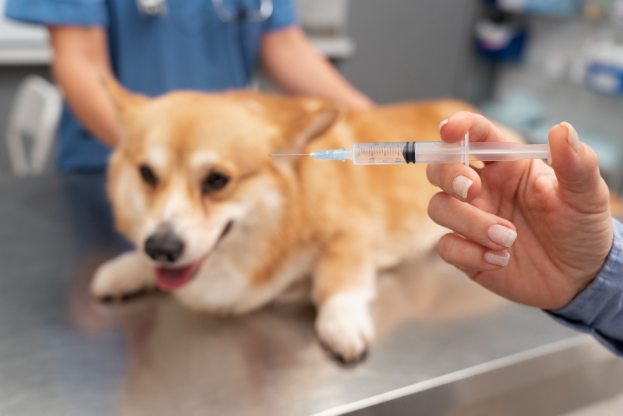

Rabies is a serious and often fatal viral disease that affects the nervous system of mammals, including humans. While the disease is relatively rare in many parts of the world, it remains a significant public health concern, particularly for pet owners. In this article, we’ll explore the facts about rabies vaccinations and dispel some of the most common myths, helping you make informed decisions about protecting your beloved pets and your family.
The Importance of Rabies Vaccinations
Rabies is a zoonotic disease, meaning it can be transmitted from animals to humans. The virus is typically spread through the bite or scratch of an infected animal, such as a dog, cat, or wild animal like a raccoon or bat. Once the virus enters the body, it can quickly spread to the central nervous system and, if left untreated, can lead to a fatal infection.
Rabies vaccinations are crucial in preventing the spread of this deadly disease. By vaccinating your pets, you not only protect them from contracting rabies, but you also reduce the risk of transmission to humans. Maintaining up-to-date rabies vaccinations is a legal requirement in many areas, and it’s a responsible and essential step in being a pet owner.
Myth: Rabies Vaccinations are Unsafe
One of the most persistent myths about rabies vaccinations is that they are unsafe for pets. This misconception is often fueled by misinformation and unsubstantiated claims, but the reality is that rabies vaccinations are highly safe and effective when administered by a licensed veterinarian.
Like any medical intervention, there is a small risk of mild side effects, such as temporary pain, swelling, or lethargy. However, these side effects are typically mild and short-lived, and the benefits of protecting your pet from the devastating consequences of rabies far outweigh the minimal risks.
Fact: Rabies Vaccinations are Legally Required
In many regions, rabies vaccinations are not just recommended but legally required for pets. This is because the spread of rabies poses a significant public health threat, and governments have recognized the importance of widespread vaccination to control the disease.
Failing to vaccinate your pet against rabies can result in fines, legal penalties, or even the seizure of your animal. It’s important to understand and comply with your local laws and regulations to ensure the safety of your pet and your community.
Myth: Rabies Vaccinations are Unnecessary for Indoor Pets
Another common myth is that rabies vaccinations are only necessary for outdoor pets or those that live in areas with a high prevalence of rabies. However, this is not the case. Even indoor pets can be at risk of exposure to the rabies virus, as wildlife such as bats or raccoons may inadvertently enter the home or interact with your pet in the yard.
Rabies vaccinations are recommended for all pets, regardless of their lifestyle or living environment. By keeping your pet’s vaccination up-to-date, you can ensure that they are protected and that you are fulfilling your responsibility as a pet owner.
Fact: Rabies Vaccinations are Affordable and Accessible
Many pet owners may hesitate to vaccinate their pets due to concerns about the cost, but the truth is that rabies vaccinations are relatively affordable, especially when compared to the potential cost of treating a rabies infection.
Most veterinary clinics and animal shelters offer low-cost rabies vaccination clinics, making it accessible for pet owners of all income levels. Additionally, many local governments and animal welfare organizations provide subsidized or free rabies vaccination programs to ensure that all pets have access to this essential protection.