
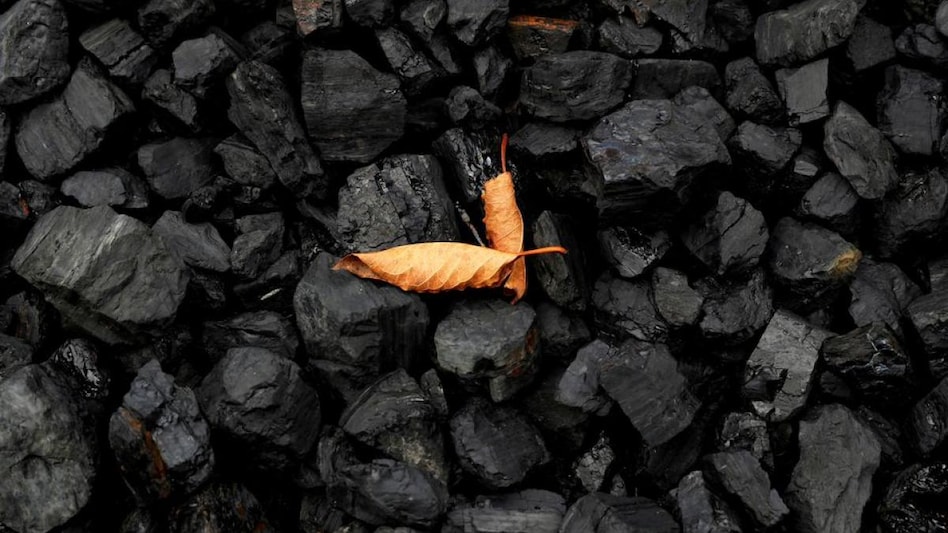

The industrial sector is embracing innovative materials that improve efficiency, durability, and environmental responsibility. Sustainable carbonaceous technologies are leading this shift, enabling manufacturers to produce high-performance products while reducing ecological impact. These advanced carbon materials enhance mechanical strength, conductivity, and energy efficiency across a wide range of applications, from automotive components to electronics. By integrating these technologies into their processes, companies are achieving operational excellence while aligning with sustainability goals. As industries adopt these solutions, carbon-based technologies are becoming a cornerstone of modern manufacturing practices.
In addition to improving performance, sustainable carbon technologies are fostering innovation across industries. Manufacturers are now able to develop lighter, stronger, and more efficient products, while simultaneously reducing their reliance on non-renewable resources. These technologies also facilitate the creation of smarter, more adaptable production lines, enabling rapid prototyping and scalable manufacturing. As a result, companies can respond to market demands more effectively, offering advanced products that meet both functional and environmental expectations.
1. Enhanced Material Strength and Durability
Sustainable carbon technologies significantly improve the mechanical performance of industrial materials, enhancing the lifespan of manufactured products.
- Improved Structural Integrity: Carbon-enhanced materials reinforce polymer composites, metals, and other substrates, reducing wear and tear during use. This makes components more resilient to mechanical stresses and prevents premature failures.
- Resistance to Environmental Factors: Carbon additives provide superior protection against heat, chemical exposure, and moisture, maintaining the integrity of products under harsh operating conditions.
- Extended Product Life: By strengthening materials, carbon technologies reduce the need for frequent replacements, lower waste generation, and improve cost efficiency throughout the product lifecycle.
The incorporation of carbon-based solutions ensures that manufactured products remain robust and reliable, even in demanding industrial environments.
2. Energy Efficiency and Reduced Operational Costs
Carbon technologies help manufacturers optimize energy usage while reducing operational expenses.
- Lower Energy Consumption: Carbon materials enhance thermal conductivity and reduce friction in production machinery, enabling smoother operations and reduced power requirements.
- Faster Production Cycles: Optimized material properties allow for more efficient heating, cooling, and molding processes, cutting down production time without sacrificing quality.
- Operational Cost Reduction: Energy savings and improved process efficiency directly translate into lower manufacturing costs, enabling businesses to maintain profitability while implementing sustainable practices.
By integrating energy-efficient carbon materials, manufacturers can achieve a balance between operational performance and environmental responsibility.
3. Advancements in Conductive Applications
Modern manufacturing increasingly relies on electronics and smart systems, where carbon ink plays a critical role in enhancing functionality.
- Reliable Electrical Conductivity: Carbon ink provides stable pathways for electrical currents in printed circuits, sensors, and flexible electronics, ensuring consistent performance and precision.
- Compatibility with Flexible Surfaces: Its ability to adhere to diverse substrates, including plastics and textiles, allows for innovative applications in wearable electronics and smart packaging.
- Enhanced Product Functionality: Carbon ink integration enables advanced features such as energy storage components, touch sensors, and lightweight electronic modules, broadening product capabilities.
The versatility of carbon ink demonstrates how sustainable carbon technologies support innovation in high-tech manufacturing and advanced electronic applications.
4. Eco-Friendly Production and Waste Minimization
Sustainable carbon technologies contribute to environmentally responsible manufacturing by reducing waste and minimizing energy consumption.
- Resource Optimization: Carbon additives improve efficiency in material use, reducing scrap and minimizing the need for raw material extraction.
- Lower Emissions: By reducing energy requirements and optimizing production processes, carbon materials help decrease industrial greenhouse gas emissions.
- Recyclable and Reusable Materials: Many carbon-based solutions can be recovered and reused, promoting circular economy principles and sustainable production practices.
These eco-friendly benefits demonstrate that sustainable carbon technologies not only improve performance but also support environmental stewardship.
5. Compatibility with Modern Manufacturing Techniques
Birla Continua Solutions showcases the versatility of carbon materials in a wide range of manufacturing processes.
- Versatile Application: Carbon materials can be seamlessly integrated into extrusion, injection molding, 3D printing, coating, and additive manufacturing processes, enhancing product quality across methods.
- Improved Process Control: The uniformity of carbon additives ensures consistent product quality, reduces defects, and minimizes downtime caused by production variability.
- Support for Advanced Manufacturing: Carbon technologies align with modern techniques like automation, robotics, and precision engineering, enabling manufacturers to adopt high-tech, scalable production systems.
This adaptability allows industries to innovate efficiently while maintaining high standards of quality and consistency.
6. Driving Innovation and Industry Transformation
Sustainable carbon technologies are enabling manufacturers to explore new applications and redefine industrial standards.
- Development of Advanced Materials: Carbon integration supports the creation of composites, coatings, and inks that outperform traditional alternatives in strength, conductivity, and durability.
- Facilitation of Smart Manufacturing: Carbon-based solutions enable technologies like sensors, flexible electronics, and automated monitoring systems, transforming how products are designed and produced.
- Enhanced Market Competitiveness: Companies adopting carbon technologies gain an edge by producing superior products with improved performance, sustainability, and longevity.
- Support for Clean Energy Initiatives: Carbon materials play a role in energy-efficient manufacturing, battery technologies, and renewable energy systems, helping industries reduce carbon footprints while delivering high-quality products.
By embracing sustainable carbon solutions, manufacturers can push the boundaries of what’s possible, combining innovation, efficiency, and environmental responsibility in their operations.
Conclusion
Sustainable carbon technologies are revolutionizing manufacturing by enhancing material performance, enabling innovative applications, and supporting eco-friendly production practices. Integration of Birla Continua Solutions into industrial processes allows manufacturers to produce more durable, energy-efficient, and technologically advanced products, while carbon ink demonstrates the potential of carbon materials in electronics and smart applications. These innovations are helping industries achieve operational excellence while adhering to global sustainability goals.
Birla Carbon, a global leader in carbon material solutions, continues to provide high-quality, innovative carbon products that empower manufacturers to enhance performance, reliability, and sustainability. Their expertise supports the adoption of carbon-based technologies across sectors, enabling companies to create durable, efficient, and environmentally responsible products for the modern industrial landscape.